Dubai is one of the few cities where lessons never have to stop
In most countries, learning to swim outdoors is a summer project that stops for half the year. Dubai is different: the hot season is long, the winter is mild, and outdoor pools stay usable in every month, so a swimmer can keep progressing without a forced break.
That matters more than it sounds. Swimming is a skill held in the body, and long gaps undo confidence faster than they undo technique. A child who swims through the year is not relearning the same first lesson every spring.
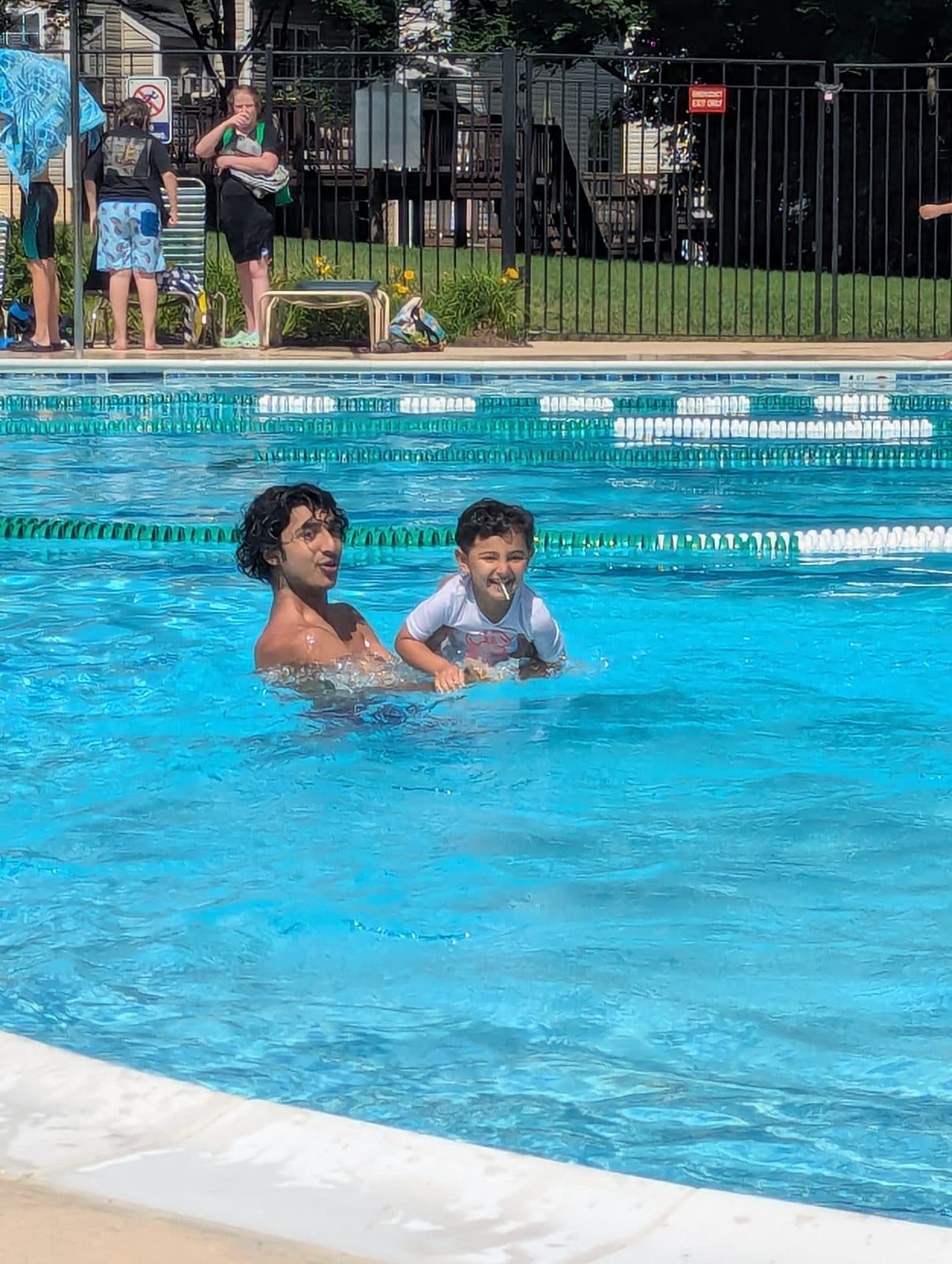
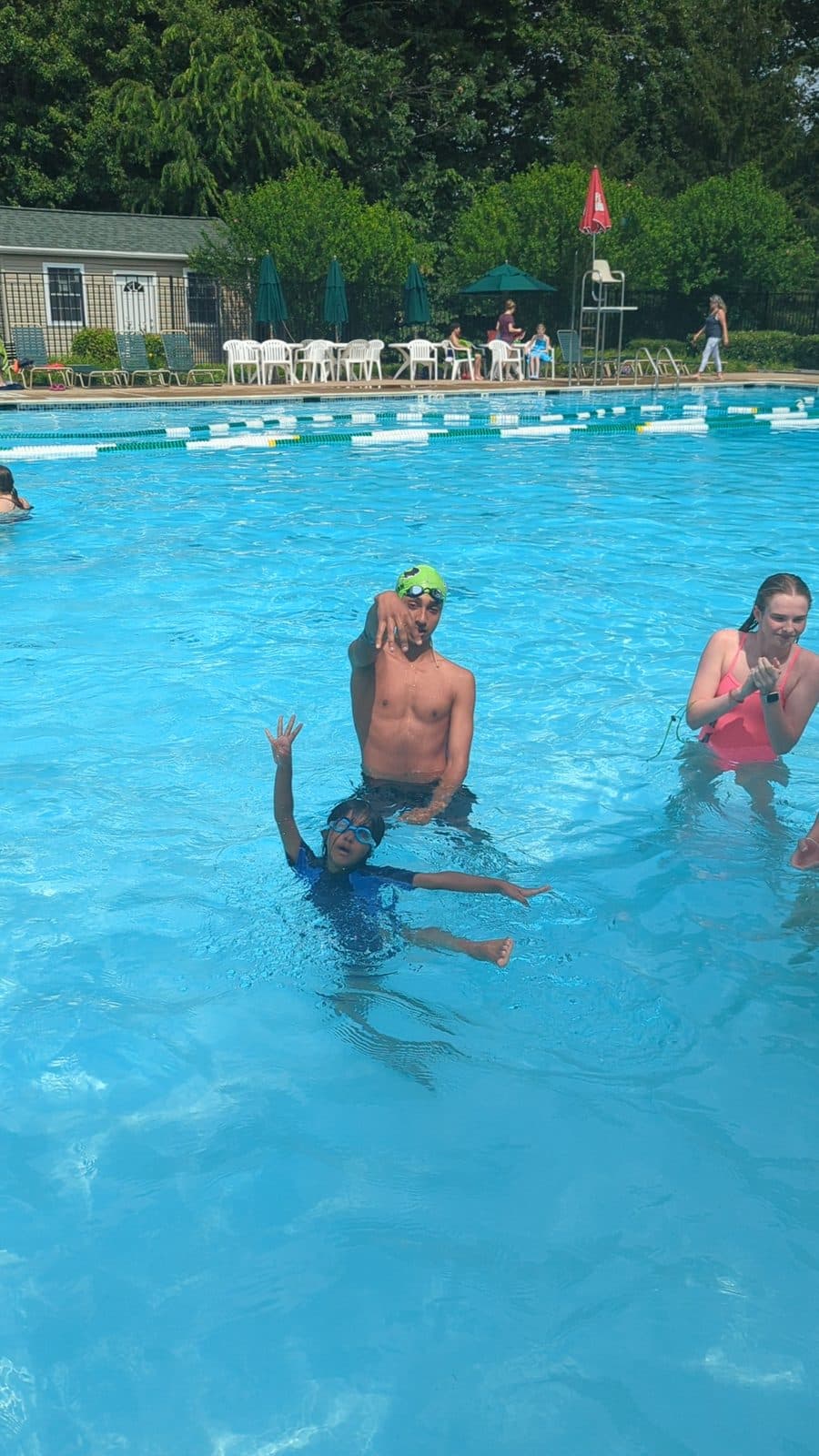
Rehan Ahmad teaches private, one to one lessons across Dubai throughout the year, travelling to your villa, building, community or club pool. What changes between seasons is the time of day, not whether lessons happen at all.
The hot season changes the lesson time, not the lesson plan
In the hottest part of the year the practical change is scheduling. Early morning lessons before the sun is high, and evening lessons after sunset, are far more comfortable for both the swimmer and the parent watching from the poolside.
Shade is the other variable worth checking. A pool with covered decking, or an indoor pool, is noticeably easier on young children who need short breaks out of the water during a full hour lesson.
Very young swimmers feel heat and cold more sharply than adults, so for babies and toddlers a shaded or indoor pool is usually worth choosing over a slightly more convenient time slot.
Rehan offers evening and weekend times, which is what most families use through the hot months.
Heated and chilled pools widen the window
Many villa and community pools in Dubai run heat pumps or chillers, so the water can be warmed in winter and cooled at the peak of summer. Where that equipment exists, water temperature stops being a limiting factor at any point in the year.
If you are not sure whether your pool is heated or chilled, the building management or the villa maintenance company will know. It is worth asking before booking a block of lessons in a particular season.
Temperature matters most for the youngest swimmers. The American Academy of Pediatrics suggests water for swim classes for children aged three and under should be about 87 to 94F, roughly 30.5 to 34.4C, which is warmer than most pools sit without heating.
For older children and adults a slightly cool pool is rarely a problem once the lesson is moving. It is standing still that feels cold, and a well paced private lesson involves very little standing still.
Winter is the easiest swimming of the year
Dubai winters are mild, and for swimming lessons they are the easiest stretch of the year. Midday and afternoon slots that would be uncomfortable in high summer become the best times available, and the poolside is a pleasant place for a parent to sit for an hour.
This is also when outdoor pools with no shade become perfectly workable, which widens the choice of venues for families using a community pool or a pool Rehan arranges.
Families who move their lessons to the middle of the day in winter often find attendance improves, simply because the slot is easier to keep.
Why families start before the summer holidays
Many families in Dubai start lessons in the run up to the school summer holidays, and there is a sound reason for it rather than just habit. Holidays mean beaches, hotel pools, boats and time in the water with less structure and more distraction.
Water safety skills are most valuable before that period, not after it. The World Health Organization lists teaching basic swimming and water safety skills among its recommended drowning prevention measures, and those skills need time in the water before they become reliable.
Starting six to eight weeks before a trip gives a swimmer a realistic chance of being safer in the water rather than simply more enthusiastic about it. An eight lesson pack at AED 1,000, which works out at AED 125 a lesson, is built for exactly that kind of block.
Why it is worth carrying on through the quieter months
The months when nobody is thinking about swimming are often the ones that produce the most progress. A swimmer who keeps a weekly lesson through the quieter part of the year arrives at the next holiday already competent, instead of spending the first fortnight catching up.
Skills fade with gaps. Floating and breathing in particular are confidence skills, and confidence is the first thing to go after a few months out of the water.
Continuing does not have to mean a heavy commitment. One lesson a week, or even one a fortnight, is enough to hold ground and keep a nervous swimmer comfortable.
Choosing a time of day that suits the swimmer
The right time of day depends on the swimmer more than on the season. Small children concentrate better in the morning and are often too tired after a school day to take in anything new, whatever the temperature.
Teenagers and adults usually do better in the evening, when a lesson fits after work or after school without rushing.
Because lessons are private, the time is chosen around the family rather than around a class timetable. Rehan confirms the schedule on the free 30 minute intro call before the first lesson, and adjusts it as the seasons change.
Sun protection is a year round item
Sun protection belongs in the bag in every month in Dubai, not only in the hot season. Winter sun on an unshaded pool deck across a full hour is enough to burn a child who is in and out of the water.
A rash vest or long sleeved swim top is the most reliable option because it does not wash off during an hour of swimming. Water resistant sunscreen applied about twenty minutes before the lesson covers the rest.
Drinking water matters year round too. An hour of swimming is an hour of exercise, and swimmers rarely notice they are losing fluid while they are already wet.